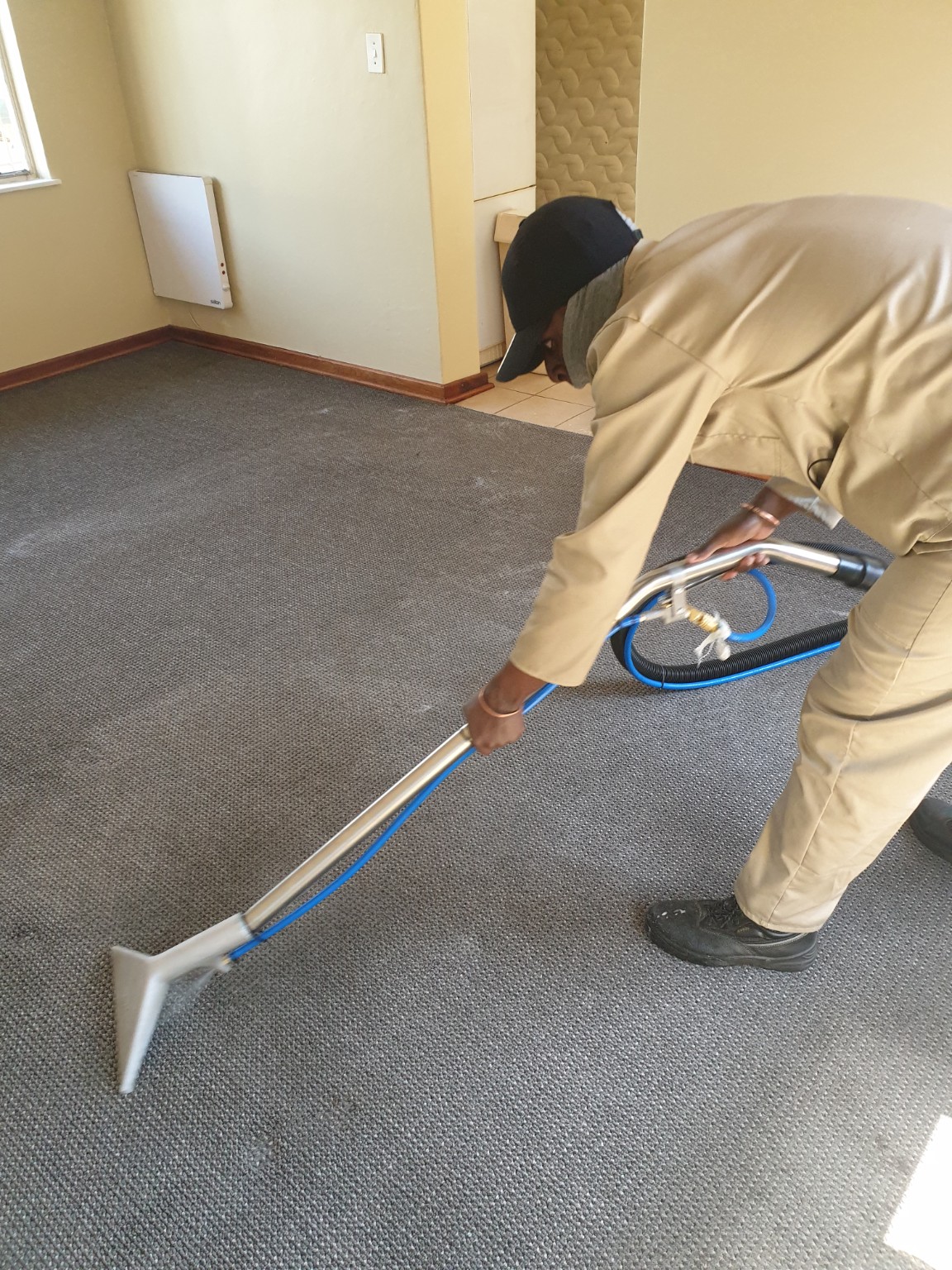
Carpets make a room feel warmer and more comfortable, but they also collect everyday dust, grit, hair and other material carried in on shoes and clothing. Regular vacuuming helps manage the surface build-up; it does not remove everything that settles deeper into carpet fibres. The right cleaning schedule depends on how a space is used, the carpet itself and the conditions in the home or workplace.
This guide explains how to decide when routine care is enough and when a deeper carpet clean may be worthwhile. There is no single timetable that suits every property, so use the recommendations below as a practical starting point rather than a rigid rule.
How often should carpets be deep-cleaned?
For many homes, arranging a thorough carpet clean about once every 12 months can be a useful starting point. Some carpets and households need attention more often, while lightly used rooms may need it less frequently. Follow the carpet manufacturer’s care instructions and consider the material, construction and any existing treatment before choosing a cleaning method.
- Busy family homes: Consider a deeper clean every 6–12 months, especially in hallways, lounges and other frequently used areas.
- Homes with pets or young children: Plan for more frequent spot care and assess whether high-use areas need a deeper clean every 3–6 months.
- Low-traffic rooms: A longer interval may be suitable when the carpet remains in good condition and is cared for regularly.
- Offices, reception areas and shared premises: Set a schedule around foot traffic, appearance standards and the site’s operating requirements.
These are general planning ranges, not guarantees. A site assessment and the carpet manufacturer’s guidance are better than choosing a frequency based on the calendar alone.
What affects your carpet-cleaning schedule?
Foot traffic and grit
Entrances, passages and living areas receive more traffic than spare rooms. Grit can work its way between fibres and contribute to wear when people walk over it. Vacuum high-traffic routes more often and consider area rugs or entrance mats where practical.
Pets and children
Pets can bring in soil and shed hair, while everyday family life can mean more food spills and accidental marks. Promptly remove solids, blot fresh spills and follow the carpet-care instructions. Avoid rubbing stains aggressively, because this can spread the mark or damage fibres.
Dust, ventilation and indoor conditions
Dust from open doors and windows, building work, nearby roads or dry conditions can increase the amount of material entering a room. Ventilation and housekeeping habits also influence how quickly a carpet appears dull or develops odours.
Carpet type and manufacturer instructions
Wool, synthetic and blended carpets may have different care requirements. Some backing systems, dyes or stain-resistant finishes can be sensitive to particular chemicals, heat or excess moisture. Confirm the carpet type and test any treatment in an inconspicuous area before proceeding.
Signs your carpet may need a deeper clean
- High-use areas look darker or flatter than the surrounding carpet.
- Vacuuming no longer improves the appearance as much as it used to.
- Everyday odours remain after the room has been aired and the carpet vacuumed.
- Several visible spots or traffic marks have accumulated.
- The carpet feels gritty or appears dull despite regular maintenance.
- A property is being prepared for a new occupant, an event or a change in use.
Persistent staining or odours can have causes below the carpet surface or outside the carpet altogether. Cleaning may improve the condition, but the result depends on the source, age of the mark, fibre type and previous treatments.
Everyday habits that help carpets last
Vacuum to match the room
Vacuum busy areas several times a week where practical and lower-traffic areas at least weekly as a starting point. Use a vacuum suitable for the carpet pile and avoid settings that pull or damage fibres. Slow, overlapping passes are generally more useful than rushing over the surface.
Deal with spills promptly
Remove solids carefully, then blot liquids with a clean, absorbent cloth. Work from the outside of the spill toward the centre to help limit spreading. Use only a carpet-compatible product and follow its directions. Do not mix cleaning chemicals.
Reduce soil at entrances
Use suitable entrance mats and keep them clean. Where appropriate, encourage shoes to be removed at the door. These simple steps can reduce the amount of grit carried into the property.
Rotate rugs and manage furniture
Where the product instructions allow, rotate movable rugs to even out wear and use suitable furniture protectors to reduce crushing. Lift furniture rather than dragging it across the carpet.
What happens during a carpet-cleaning service?
A suitable process begins with an inspection of the carpet, its condition, visible marks and any known issues. The cleaning approach should be selected for the material and the property’s needs. Depending on the service and carpet, the process may include dry soil removal, targeted pre-treatment, an appropriate cleaning method and careful moisture removal.
Before work starts, tell the cleaning team about previous products used, sensitive areas, known damage, colour changes or odours that may point to a separate issue. Ask about expected drying conditions and any access restrictions. Drying time varies with the method, carpet construction, ventilation, temperature and amount of moisture used.
Residential and commercial carpet care
For a home, the schedule should balance household activity with the carpet’s care instructions and appearance. For a business, consider customer-facing areas, staff movement, opening hours and how to minimise disruption. A planned maintenance schedule can make cleaning easier to arrange before heavy build-up becomes difficult to manage.
CarpetCleanix provides carpet and upholstery care for residential and commercial settings. Explore our carpet cleaning service, browse our services, or learn more about CarpetCleanix.
Frequently asked questions
Can I vacuum instead of deep-cleaning?
Vacuuming is essential routine maintenance, but it does not remove every type of soil or mark. Periodic deeper cleaning may still be useful depending on traffic, carpet type and household conditions.
Should I wait until a carpet looks dirty?
Not necessarily. High-use areas can accumulate soil before the change is obvious. A sensible schedule combines regular maintenance with periodic inspection.
Will deep cleaning remove every stain?
No cleaning method can guarantee removal of every stain. Results depend on the substance, how long it has been present, the fibre and dyes, and any previous cleaning attempts.
How soon can we walk on the carpet afterwards?
Follow the technician’s guidance for the specific method used. Keep foot traffic limited while the carpet dries and improve ventilation when appropriate. Do not assume every carpet will dry within the same time.
Arrange your next carpet clean
If your carpets look tired, have accumulated marks or need a planned maintenance visit, contact CarpetCleanix to discuss the property and the areas requiring attention.
Request a booking or contact us via WhatsApp on +27 65 613 0967. For general enquiries, email [email protected].
Cleaning results and drying times vary with carpet type, condition, soil, stains, previous treatments and the method selected. Always follow manufacturer care instructions.