
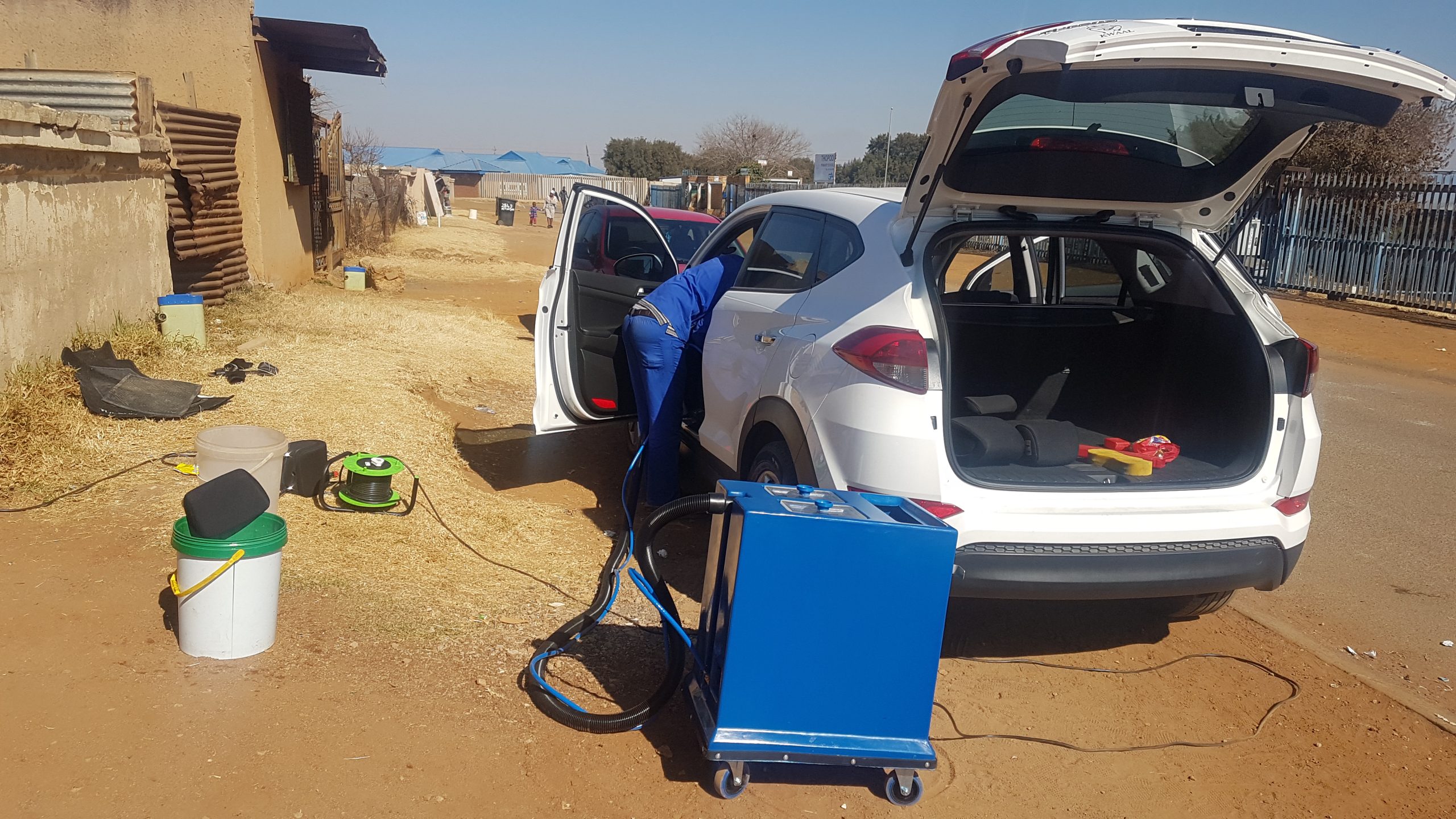
CarpetCleanix™ Car-Care Education
A community discussion has raised a question many motorists may never have considered: is household dishwashing liquid a suitable product for washing a car? The short answer is that an occasional use does not automatically damage a vehicle, but an automotive shampoo is generally the better choice for routine car washing.
Choose a shampoo formulated for automotive use, follow its dilution instructions, and use clean washing tools. Product choice and washing technique both matter.
Why people reach for dishwashing liquid
Dishwashing liquid is made to loosen grease and food residues from dishes. Because it can cut through oily dirt, it may seem like a convenient option when a car needs a wash. However, a product that works well on dishes is not automatically the best product for a vehicle’s exterior.
Modern vehicle finishes may have a clear coat and may also be protected with wax, sealant or a ceramic coating. These finishes benefit from a cleaning method and product selected for automotive use.
Can dishwashing liquid damage car paint?
It is important to be accurate rather than alarmist. One wash with household dishwashing liquid does not mean that a car’s paint has been ruined. The result depends on the product formulation, concentration, washing method, existing paint protection and how often it is used.
Some household detergents may reduce or remove certain waxes and other protective products, especially with repeated use or unsuitable concentrations. Dishwashing liquid is not designed specifically to preserve automotive waxes, sealants or ceramic protection, so it is not our first recommendation for routine maintenance washing.
Do not panic if it has already happened. Rinse the vehicle thoroughly, dry it with a clean, soft drying towel and check the finish in good light. If you notice persistent marks, unusual dullness or damage, consult a reputable automotive detailer.
What should you use instead?
1. A suitable pH-neutral car shampoo
This is a sensible starting point for regular washing, particularly for vehicles with wax, sealant or other paint protection. Check the product label for its intended use and compatibility with the vehicle’s finish.
2. A concentrated commercial car shampoo
For a busy car wash, a product intended for frequent automotive cleaning may offer a practical cost per wash. Ask the supplier for the correct dilution ratio, technical data sheet and guidance on safe use.
3. A wash-and-wax shampoo
This can be convenient for motorists who want a cleaning product with an added gloss or surface-care benefit. It should not be treated as a replacement for a dedicated wax, sealant or ceramic coating unless the manufacturer says so.
Technique matters as much as the product
- Remove loose grit first: rinse the vehicle before contact washing so loose dirt is less likely to be dragged across the paint.
- Use clean tools: choose a clean, soft wash mitt and rinse it regularly. Do not use a dirty sponge that has collected grit.
- Follow dilution directions: more product does not necessarily mean a better clean. Never guess the concentration for a commercial product.
- Work in suitable conditions: where possible, avoid washing hot panels in direct sunlight and do not allow product to dry on the surface.
- Rinse and dry carefully: rinse thoroughly and use a clean, soft drying towel to reduce water spots and unnecessary rubbing.
- Keep products in their intended role: wheel cleaners, traffic-film removers and other stronger chemicals may have specific use instructions and should not automatically be used as general-purpose shampoo.
Questions to ask your car wash
You do not need to interrogate the staff. A few simple questions can help you understand how your vehicle is cared for:
- Do you use a shampoo made for automotive washing?
- How do you keep wash mitts, cloths and water clean?
- Do you follow the product’s dilution instructions?
- Can you accommodate a vehicle with wax, sealant or ceramic protection?
Frequently asked questions
Will one wash with dishwashing liquid ruin my car?
Not necessarily. A single wash does not automatically ruin paint. Rinse the vehicle thoroughly and use a suitable automotive shampoo for future routine washes.
Is pH-neutral shampoo always the best option?
It is a good general starting point for routine washing, but the right choice depends on the vehicle, the soil being removed and the product instructions. Specialised cleaning products may be appropriate for specific tasks.
Can the wrong sponge scratch my car?
Yes. Dirt and grit trapped in a sponge or wash mitt can cause scratches or swirl marks. Clean tools and a careful wash method are important, regardless of the shampoo used.
Does wash-and-wax shampoo replace a paint coating?
No. Do not assume that a wash-and-wax product provides the same durability or protection as a dedicated wax, sealant or ceramic coating.
The CarpetCleanix™ approach
Cleaning is about choosing the right method for the surface.
We believe informed product choices and careful cleaning practices make a difference. Follow CarpetCleanix™ for practical cleaning and surface-care education.
Join the conversation: Have you ever checked which product your car wash uses? Share your experience respectfully in the comments.
Editorial note: This article provides general car-care information, not a diagnosis of damage to a particular vehicle. Product formulations vary. Always follow the manufacturer’s instructions and seek advice from a qualified automotive-care specialist if you are concerned about your vehicle’s finish.




its all good, thanks a lot