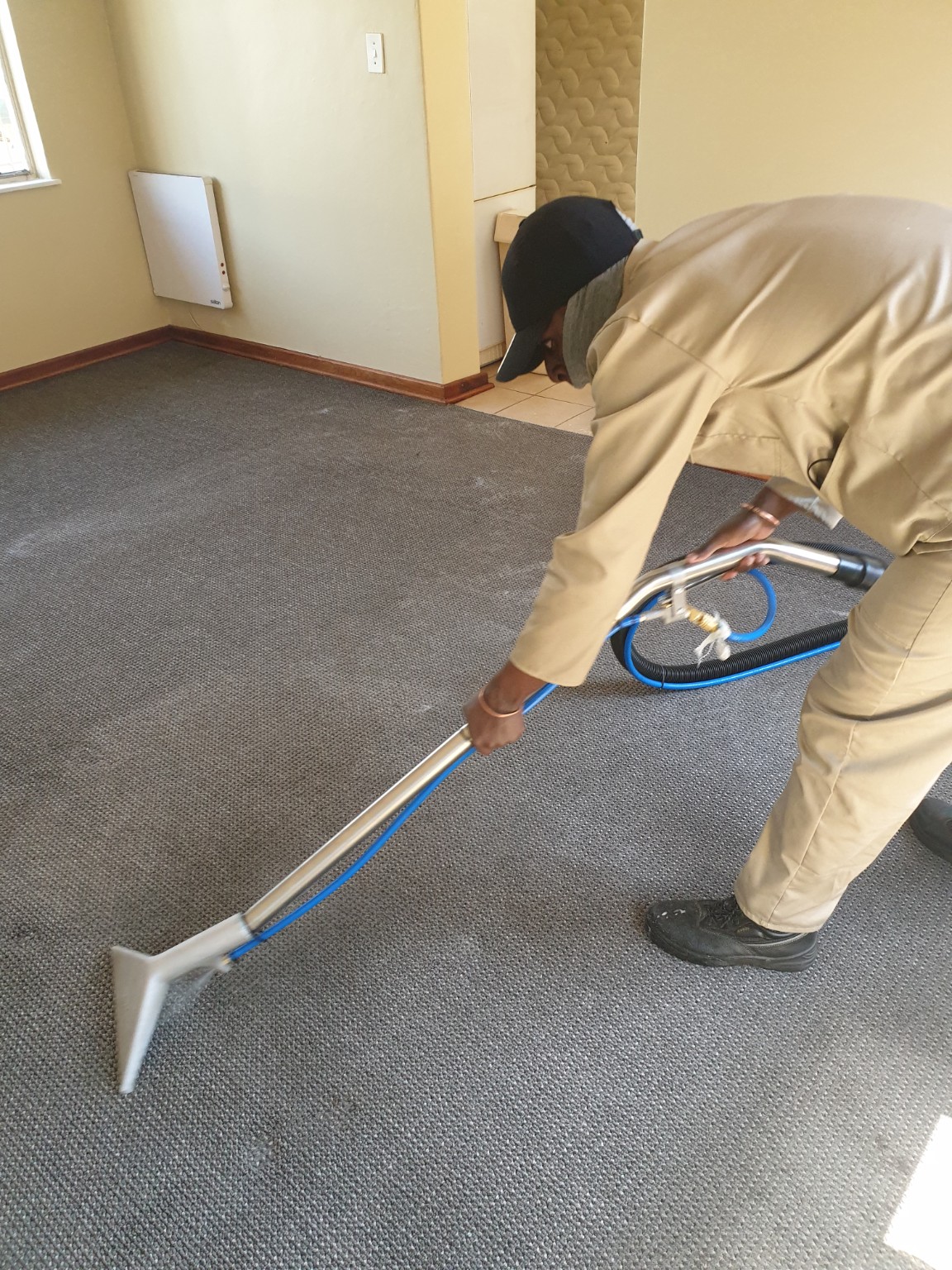
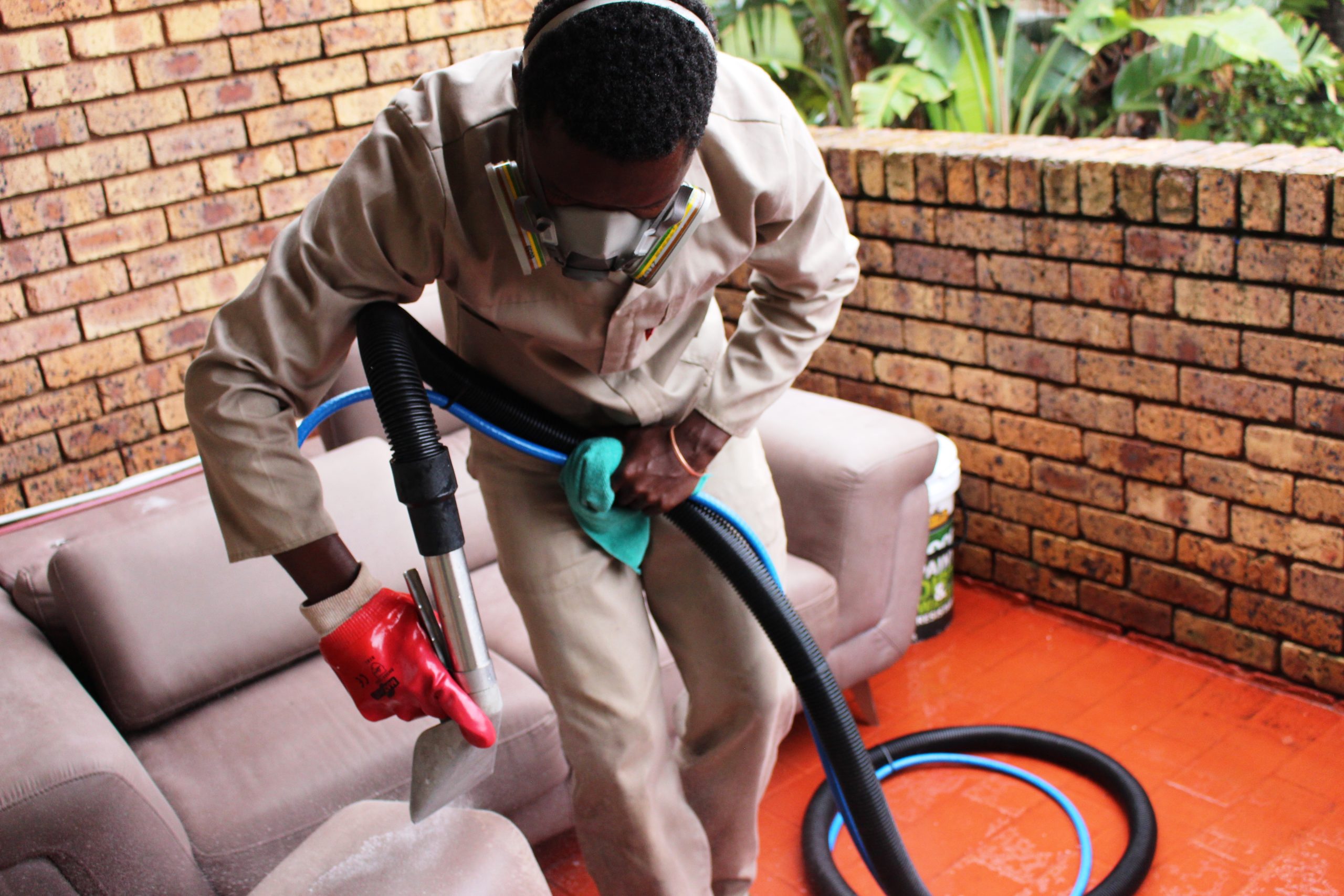
Sofas, armchairs, dining chairs and other upholstered furniture are used every day. Over time, their surfaces can collect dust, body oils, crumbs, pet hair and accidental spills. Regular vacuuming and prompt attention to marks help maintain appearance, but upholstery can need a more thorough clean as well.
Not all furniture fabrics can be cleaned in the same way. Fibre content, colour, construction, filling, backing and the manufacturer’s care code all influence which methods are appropriate. This guide explains why routine upholstery care matters and how to maintain furniture between services.
Why regular upholstery cleaning matters
Everyday soil builds up gradually
Dust and fine particles settle into seams, folds and textured fabric. They may not be obvious at first, particularly on patterned or darker upholstery. Gentle vacuuming with a suitable upholstery attachment helps remove loose material before it becomes more difficult to manage.
Furniture collects oils and contact marks
Frequently used armrests, headrests and seat cushions can develop darker-looking areas from repeated contact. These changes may involve body oils, soil, product residue or changes to the fabric itself. A suitable cleaning method can help improve appearance, but some wear and colour changes cannot be reversed.
Spills are easier to manage when handled carefully
Food, drinks and everyday accidents can leave marks. Blot fresh spills promptly with a clean, absorbent cloth, and follow the furniture manufacturer’s instructions. Avoid rubbing vigorously or soaking the upholstery, because moisture can spread the spill or affect internal materials.
Odours may have more than one source
Odours can come from spills, pets, smoke, dampness or other sources in the room. Cleaning the upholstery surface may help in some cases, but persistent odours can originate in cushion filling, the furniture frame, the floor or the surrounding environment. The source should be assessed rather than masked with fragrance.
Furniture is part of the room’s overall presentation
Clean, well-maintained upholstery can help a living room, reception area, office or guest space look cared for. For businesses, a routine furniture-care plan can also make maintenance easier to schedule around opening hours and customer use.
How often should sofas and upholstered chairs be cleaned?
There is no universal schedule. As a starting point, inspect frequently used furniture regularly and consider a deeper clean about every 6–12 months, adjusting the interval for use and fabric-care guidance. Homes with pets, children or heavy daily use may need more frequent attention. Lightly used furniture may need less frequent cleaning.
Follow the manufacturer’s care label and warranty requirements. If the label specifies a restricted method, do not substitute a water-based or solvent-based process without confirming compatibility.
Everyday upholstery care you can do at home
- Vacuum gently: Use a suitable upholstery attachment on seats, creases, seams and beneath removable cushions where the manufacturer permits.
- Blot spills quickly: Lift solids carefully and blot liquids without rubbing. Use a clean, white cloth.
- Check before applying products: Read the care label and product instructions. Test a hidden area and allow it to dry before treating a visible section.
- Rotate cushions if permitted: This can help distribute use more evenly on furniture designed for rotation.
- Keep pets’ resting areas clean: Use washable covers where suitable and clean them according to their instructions.
- Manage sunlight and heat: Strong sunlight may fade some fabrics. Follow the furniture maker’s advice on placement and care.
Why fabric type matters
Upholstery may be made from natural fibres, synthetic fibres, blends, leather or specialty materials. A method that works for one fabric may cause shrinkage, colour transfer, texture change or water marks on another. Some cushion interiors and furniture frames are also sensitive to excess moisture.
Look for the care label and follow its instructions. If the label is missing or unclear, seek advice before applying a cleaner. Avoid testing a new chemical on a visible section or combining products in an attempt to speed up the process.
What to expect from an upholstery-cleaning service
A careful service should begin with an assessment of the fabric, construction, condition, marks and any existing damage. The appropriate process may include dry soil removal, preparation of specific areas, a suitable cleaning method and careful removal of residues or moisture where applicable.
Before cleaning, point out delicate areas, loose seams, colour changes, previous spot treatments and any known manufacturer restrictions. Ask what method is proposed and what drying and use guidance applies. Drying time depends on the fabric, filling, method, ventilation, room conditions and moisture used.
Upholstery cleaning for homes and businesses
At home, regular care helps keep sofas and chairs ready for everyday use. In offices, reception rooms, guest accommodation and other commercial settings, upholstery can receive repeated use and may benefit from planned maintenance. Scheduling service at a convenient time can reduce disruption.
CarpetCleanix offers upholstery and sofa-care services. Explore our upholstery cleaning, learn about our deep-cleaning options, or browse all services.
Frequently asked questions
Can every sofa be cleaned with water?
No. Some fabrics and constructions require a specific method or restricted moisture. Check the care label and manufacturer instructions before selecting a process.
Will upholstery cleaning remove every stain?
No. Results depend on the substance, time elapsed, fabric, dye, previous treatments and the type of damage. Some marks are permanent.
How long does upholstery take to dry?
Drying time varies by fabric, filling, method, airflow and room conditions. Follow the service provider’s guidance and avoid using furniture until it is suitable to do so.
Does regular vacuuming replace a deeper clean?
Vacuuming removes loose surface material and is an important maintenance step. It does not necessarily remove all embedded soil or marks, so periodic assessment remains useful.
Give your furniture considered care
If your sofa or upholstered chairs have visible build-up, persistent marks or need routine maintenance, contact CarpetCleanix to discuss the fabric and the areas that need attention.
Request a booking or WhatsApp +27 65 613 0967. For general enquiries, email [email protected].
Cleaning suitability and results depend on fabric type, condition, construction and previous treatment. Manufacturer care instructions should take priority.