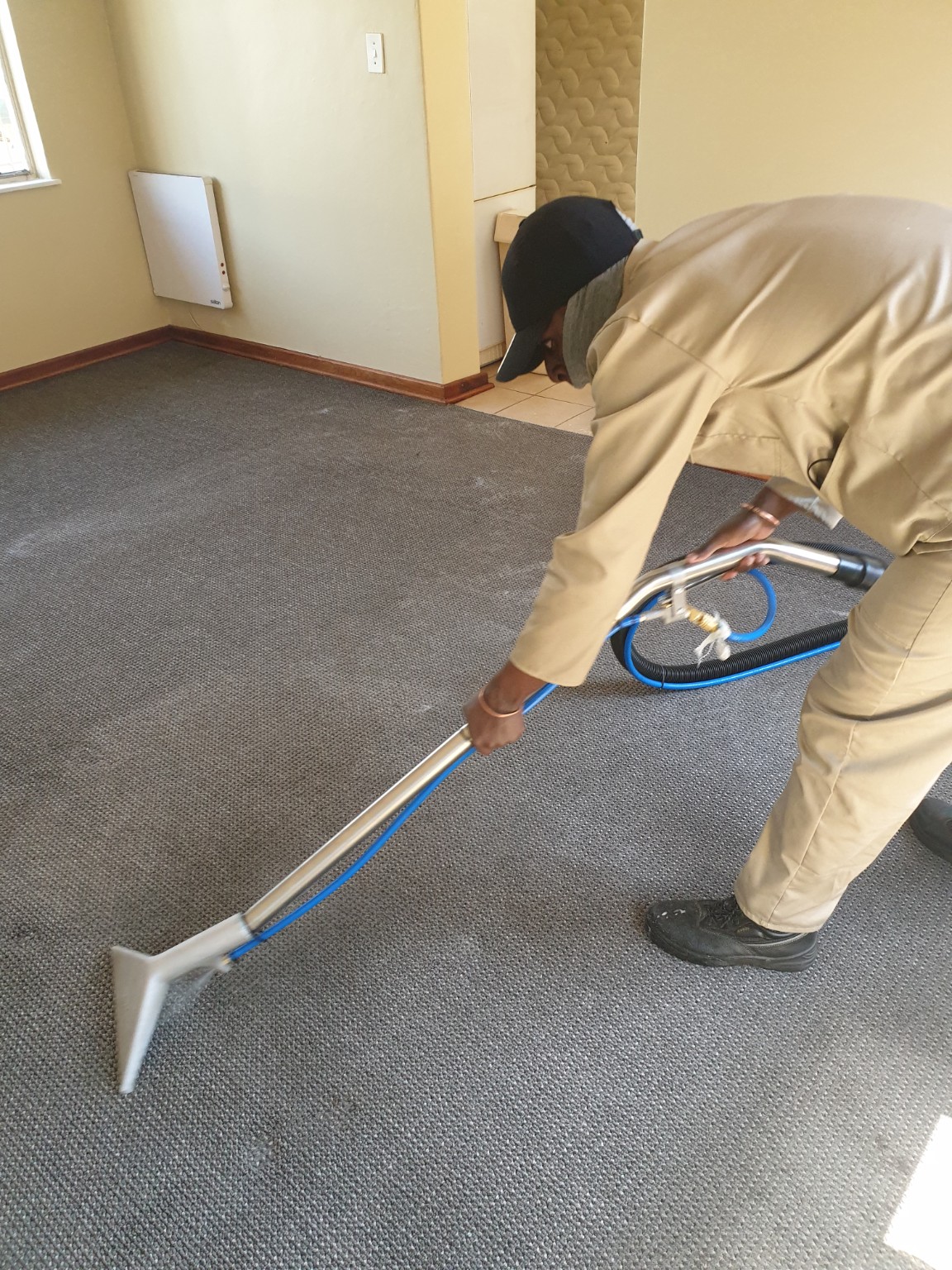
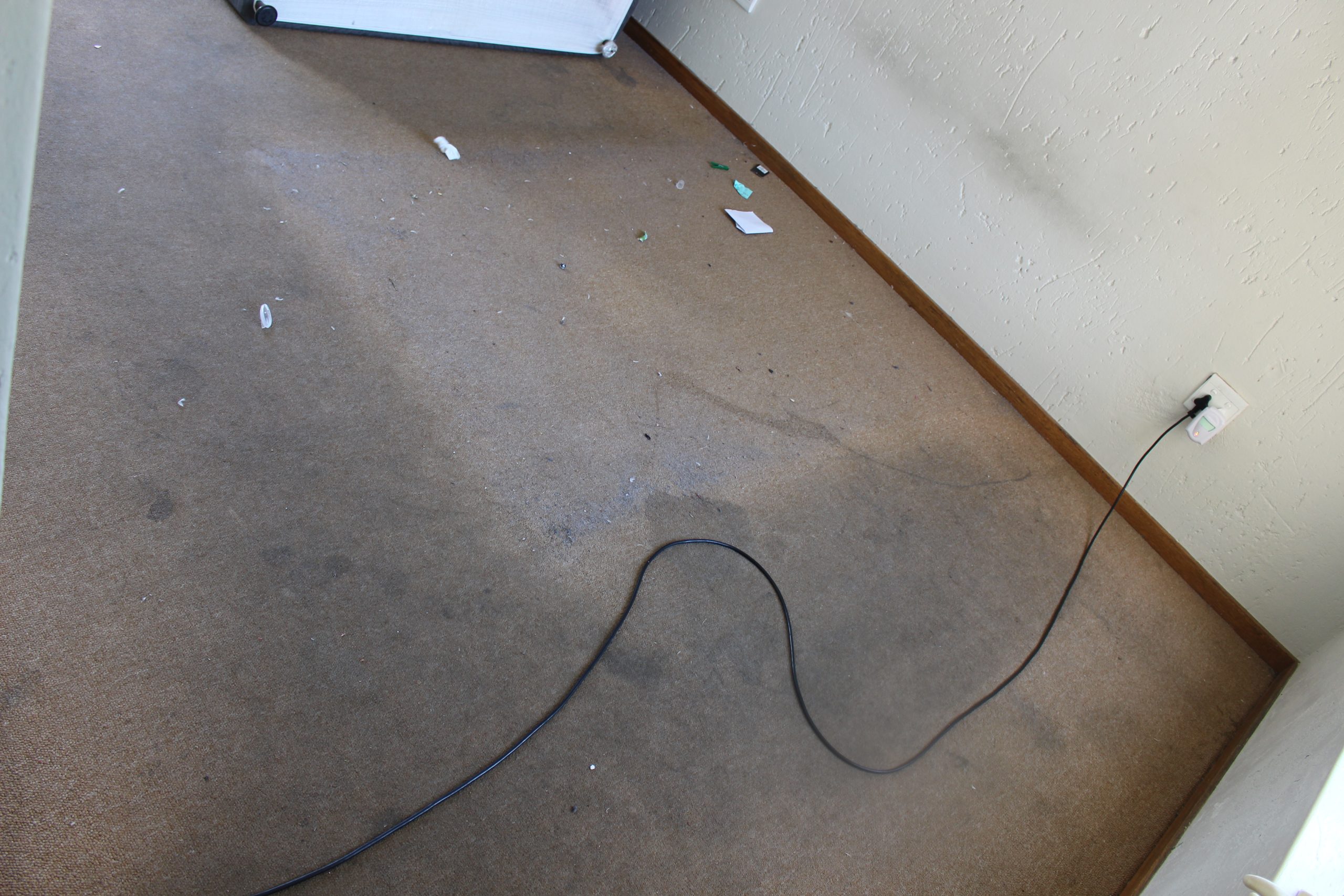
A spill on the carpet can be frustrating, especially when it happens in a lounge, passage or other frequently used room. Acting carefully and promptly can help limit the spread of a mark, but the wrong product or technique can make the problem worse. Different substances react differently, and the carpet fibre, dye and backing all matter.
This guide covers a cautious first response to common carpet stains. It is general advice, not a guarantee that every mark can be removed. Always check the carpet manufacturer’s care instructions and test any suitable product in a hidden area first.
First steps for almost any fresh spill
- Act promptly: The sooner you respond, the less time the spill has to spread or settle.
- Remove solids gently: Use a spoon or blunt edge to lift material without scraping the pile.
- Blot, don’t scrub: Press a clean, white, absorbent cloth onto the area. Work from the outside inward to help prevent spreading.
- Use a suitable product sparingly: Follow the product label and carpet-care guidance. Do not pour cleaner directly onto the carpet unless its instructions explicitly allow it.
- Remove residue carefully: If the product instructions call for rinsing, use only the recommended amount of clean water and blot it up.
- Allow the area to dry: Keep people and pets away while the area dries. Avoid excessive moisture.
Never mix cleaning products, especially products containing bleach, ammonia, acids or other reactive ingredients. Do not use a household chemical simply because it works on another surface.
How to respond to common carpet stains
Coffee and tea
Blot up the liquid with a clean cloth without rubbing. If the carpet-care instructions permit, use a carpet-compatible spot treatment suitable for beverage marks, following its directions and testing first. Avoid hot water or aggressive scrubbing unless the manufacturer specifically recommends a method for that carpet.
Food and sauces
Lift solid food gently with a spoon, working from the outer edge toward the centre. Blot remaining liquid and treat the area with a suitable carpet product. Oily sauces may require a different treatment from water-based spills, so check the product label rather than applying several cleaners one after another.
Mud and soil
Where possible, allow wet mud to dry enough to lift without smearing it. Remove loose material carefully, then vacuum the remaining dry soil. If a mark remains, use a suitable spot treatment according to the carpet’s care instructions. Rubbing wet soil into the fibres can make the affected area larger.
Pet accidents
Remove solid material carefully and blot liquids with absorbent cloths. Use a carpet product specifically labelled for the type of accident and compatible with the carpet. Follow the instructions closely, including any dwell time and rinsing guidance. If odour persists, the liquid may have reached the underlay or another layer, and surface treatment may not be enough.
Ink, cosmetics and coloured products
These can be difficult because some contain dyes, pigments or solvents that may affect carpet colour. Avoid experimenting with alcohol, nail-polish remover or other household solvents. Check the carpet manufacturer’s guidance and seek advice from a cleaning service if the mark is large, old or on a delicate carpet.
Grease and oily marks
Lift excess material without pushing it deeper into the pile. Use only a product designed for carpet and appropriate for the fibre. Applying too much product can leave residue that attracts more soil, so measured use and careful removal are important.
Blood or other protein-based marks
Use a cautious approach and follow the carpet manufacturer’s recommendations. Avoid hot water unless the carpet-care guidance specifically supports it, because heat may make some protein-based marks harder to treat. If the stain is extensive or has dried, consider a suitable cleaning service.
Common stain-removal mistakes to avoid
- Scrubbing hard: This can distort fibres, spread the spill or push material deeper into the carpet.
- Using too much water: Excess moisture can affect the backing or underlay and may contribute to lingering odours.
- Applying multiple chemicals: Mixing products can be dangerous and may damage carpet fibres or dyes.
- Using coloured cloths: Dye may transfer onto a damp carpet. A clean white cloth makes transfer easier to notice.
- Skipping a patch test: Test in a hidden area and allow it to dry before treating a visible area.
- Assuming every mark is removable: Some stains permanently change a fibre or dye, especially after heat, age or previous treatment.
When to call for stain treatment
Consider professional stain treatment when a mark is large, has dried, keeps returning, has an unknown source, or has not improved with a cautious first response. Get advice before treating delicate fibres, rugs with special dyes, or carpets with visible damage. Tell the cleaning team which products you have already used; this helps them assess the next step safely.
CarpetCleanix can assess carpet condition and discuss suitable cleaning options. Learn more about our deep-cleaning services and carpet cleaning, or visit our services page.
Frequently asked questions
Does vinegar remove every carpet stain?
No. A home remedy is not suitable for every fibre, dye or stain. Acidity and moisture can affect some materials, so use manufacturer-approved guidance rather than assuming one solution works for everything.
Can I use bleach on a carpet?
Do not use bleach unless the carpet manufacturer explicitly identifies it as suitable for that exact carpet and application. Bleach can permanently remove colour and damage fibres.
Why did a stain return after cleaning?
A mark may reappear if residue remains in the pile or if material wicks up from deeper layers as the carpet dries. The cause varies, so avoid repeatedly soaking the area and seek advice if it returns.
Can old stains still be removed?
Sometimes a mark can be improved, but older stains may have bonded with or altered the fibres and dyes. No result should be guaranteed without assessing the carpet and stain.
Need help with a stubborn carpet mark?
Describe the stain, how long it has been there and any products already applied. CarpetCleanix can help you consider the next sensible step.
Request a booking or WhatsApp +27 65 613 0967. General enquiries: [email protected].
Always test products in an inconspicuous area and follow carpet and product instructions. Cleaning results depend on the stain, fibre, dye, age and previous treatment.