Carpets make a room feel warmer and more comfortable, but they also collect the everyday evidence of life: dust, grit from shoes, food crumbs, pet hair and the occasional spill. The good news is that keeping a carpet in good condition does not have to mean scrubbing it every weekend. A few steady habits, plus the right response when something goes wrong, can make a noticeable difference.
At CarpetCleanix™, we believe good carpet care starts with knowing what to do regularly—and knowing when a stain or a build-up needs more than a quick clean.
1. Vacuum regularly, and take your time
Vacuuming is the foundation of carpet care. Fine grit can settle between fibres and act like sandpaper as people walk over it. Vacuum at least once a week in rooms that get light use. Busy passages, living rooms and homes with children or pets may need more frequent attention.
- Move slowly so the vacuum has time to lift loose dirt.
- Give entrances, passages and seating areas a few extra passes.
- Use a suitable height and setting for the carpet type.
- Use the right attachment around edges, under furniture and on stairs.
- Empty the dust container or replace the bag when needed, and keep filters clean.
For a practical overview of carpet maintenance, see the Carpet and Rug Institute, which publishes guidance on caring for carpet and choosing suitable maintenance methods.
2. Deal with spills as soon as you can
When a spill happens, resist the urge to scrub it immediately. Scrubbing can push the liquid deeper into the pile, spread the mark or damage the fibres. Instead, remove any solid material carefully, then blot the liquid with a clean, white cloth or paper towel. Work from the outside of the spill towards the centre to help limit spreading.
- Lift solids with a spoon or a blunt edge—avoid cutting or scraping the carpet.
- Blot gently, changing to a clean part of the cloth as it absorbs the spill.
- Test any cleaning product on a hidden area first and follow its label.
- Use as little moisture as practical and avoid soaking the carpet or backing.
- Allow the area to dry fully before placing furniture back on it.
Different stains need different approaches. Coffee, oil, ink, pet accidents and coloured drinks should not all be treated in the same way. If you are unsure what a fibre or dye can tolerate, check the carpet manufacturer’s care instructions or ask a carpet-care provider before trying a home remedy.
3. Be careful with homemade cleaning mixtures
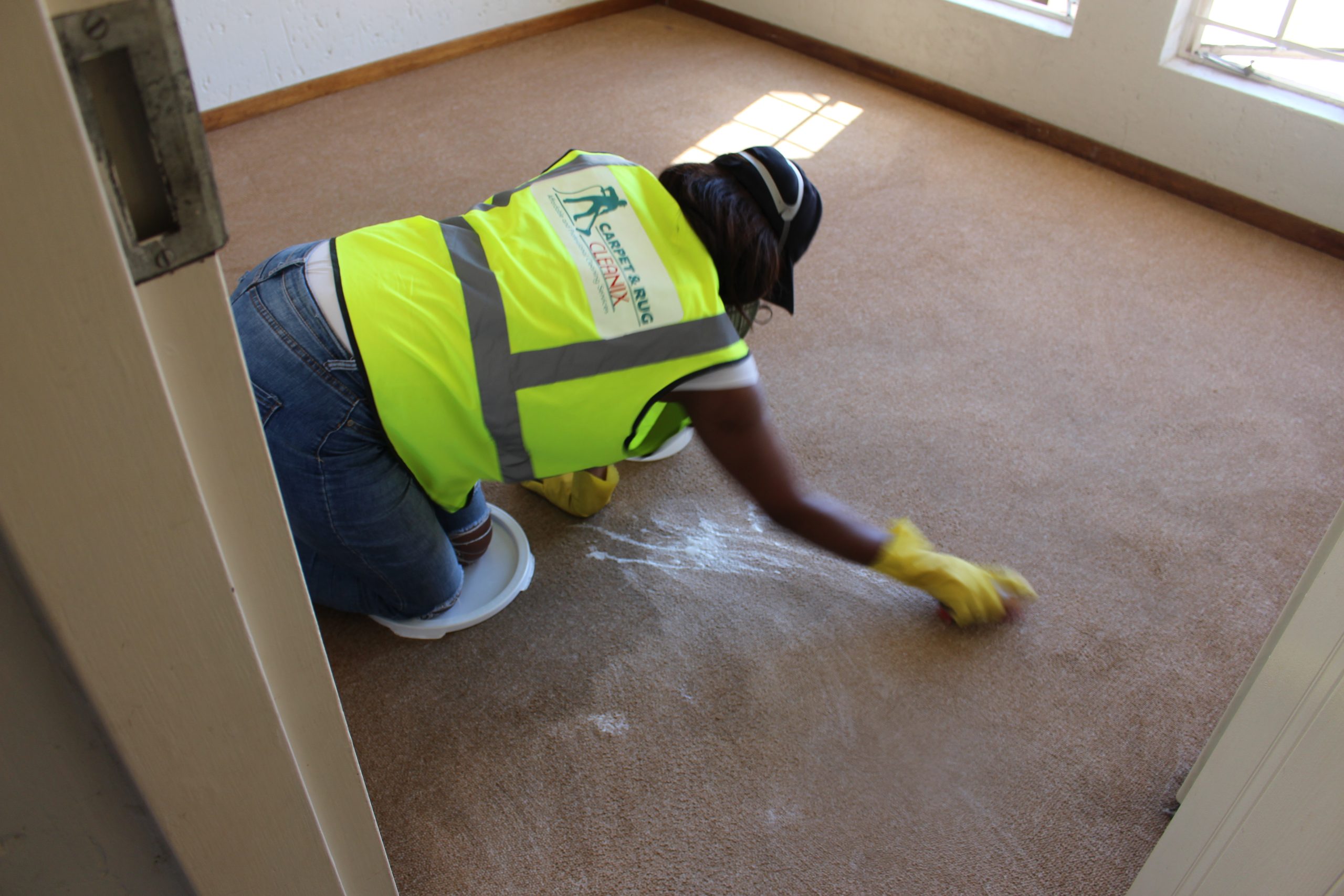
Vinegar, baking soda and other household products are often suggested online, but they are not suitable for every carpet. Some fibres and dyes are sensitive to acidity, alkalinity, moisture or friction. Powder can also remain trapped in the pile if it is not removed thoroughly, while excess liquid can reach the backing or underlay and slow drying.
Before applying anything to a visible area, read the care label, test in an inconspicuous spot and let the test area dry so you can check for colour change or texture damage. Never mix cleaning chemicals together, and never use bleach on carpet unless the manufacturer specifically confirms that it is safe for that material. Keep children and pets away from treated areas and follow product safety directions.
For broader information about indoor air and household pollutants, visit the United States Environmental Protection Agency’s indoor air quality resource.
4. Help your carpet dry properly
Moisture left in carpet for too long can cause unpleasant smells and may affect the backing or floor beneath it. After spot cleaning, remove as much moisture as possible with dry towels. Open windows when conditions allow, improve airflow with a fan and avoid walking across the damp patch until it has dried. Do not put furniture back on a wet area; if furniture must be returned sooner, protect the carpet with suitable barriers that will not transfer colour or trap moisture.
If a carpet has become saturated, the spill has reached the underlay, or a musty smell remains after drying, a surface clean may not be enough. Arrange an assessment rather than repeatedly adding more water or product.
5. Use mats and simple routines to prevent dirt
Prevention is usually easier than stain removal. Place doormats at entrances, clean them regularly and consider a shoes-off routine indoors. Rearrange lightweight furniture or rugs occasionally where practical so traffic is not concentrated on exactly the same fibres. Attend to pet hair and crumbs before they become worked into the pile.
- Shake out or vacuum entrance mats frequently.
- Clean up food and drink spills promptly.
- Vacuum high-use areas more often than spare rooms.
- Follow the carpet manufacturer’s guidance for periodic deep cleaning.
- Keep a note of recurring stains or odours so you can address the cause, not just the symptom.
6. When is it time for a deep clean?
Routine vacuuming removes loose soil, but it cannot remove every residue and embedded particle. If a carpet looks dull despite regular care, feels sticky, has widespread traffic marks or holds an odour, it may be time to consider a deeper clean. How often that is needed depends on foot traffic, pets, children, the carpet’s construction and the manufacturer’s recommendations—not one fixed schedule for every home.
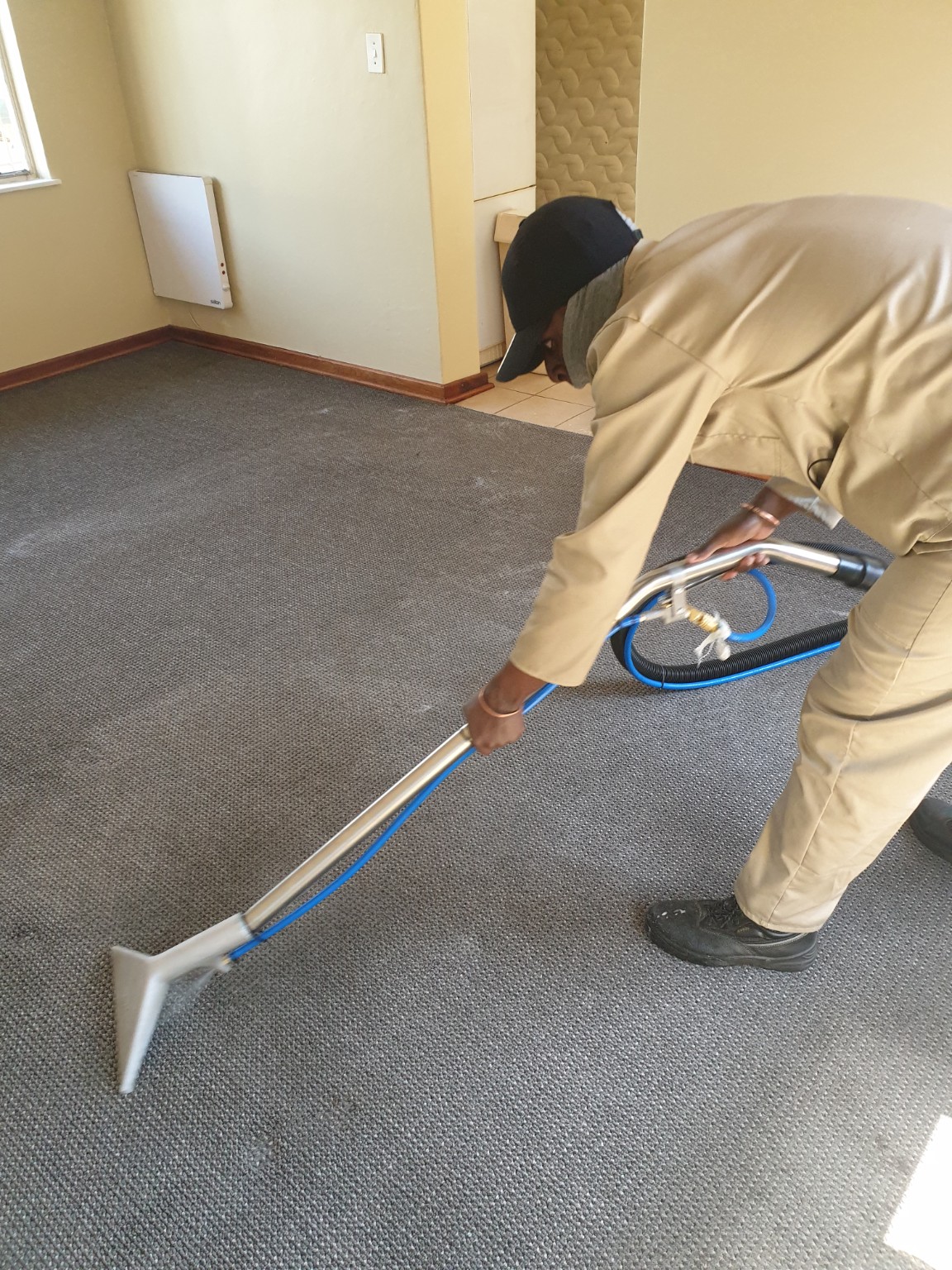
Deep cleaning methods differ, so the carpet type and its condition should guide the approach. Professional extraction cleaning can be useful for larger areas or persistent build-up, especially when you want the soil and cleaning solution removed rather than left in the fibres.
Explore CarpetCleanix cleaning services or browse real CarpetCleanix cleaning work to learn more about the services and equipment we use.
7. When should you call for help?
Consider asking for help if the carpet is delicate or valuable, the stain keeps returning, the affected area is large, an odour persists, or a previous cleaning attempt has left the fibres discoloured or stiff. A technician can assess the material and the problem before choosing a suitable method. Be sure to mention any products you have already applied.
CarpetCleanix™ provides carpet and upholstery care for homes and businesses. If your carpets need attention, request a CarpetCleanix booking and tell us what needs cleaning, where the property is located and whether there are any particular stains or concerns.
Frequently asked questions
How often should I vacuum my carpet?
At least weekly is a useful starting point. Vacuum more often in busy areas or where children and pets contribute extra dirt and hair.
Should I rub a fresh carpet stain?
No. Blot gently with a clean, white absorbent cloth. Rubbing can spread the spill and damage the pile.
Can I use vinegar or baking soda on any carpet?
No single home remedy is suitable for every fibre, dye or backing. Check the manufacturer’s care instructions and test a hidden area before use.
How do I know when the carpet needs deep cleaning?
Persistent traffic marks, dullness, sticky residue or lingering odours can indicate that routine vacuuming is not enough. The right interval depends on use and the carpet manufacturer’s guidance.
What if a carpet gets very wet?
Remove excess moisture and improve airflow, but seek advice if water has soaked through to the backing or underlay, or if a smell remains after drying.
Need help with your carpets?
Keep up with the everyday care, and let CarpetCleanix help when your carpets need a deeper clean.
Care note: Carpet materials and manufacturer instructions vary. Always check care guidance and test products in a hidden area before treating the visible carpet.